Begin with the project context
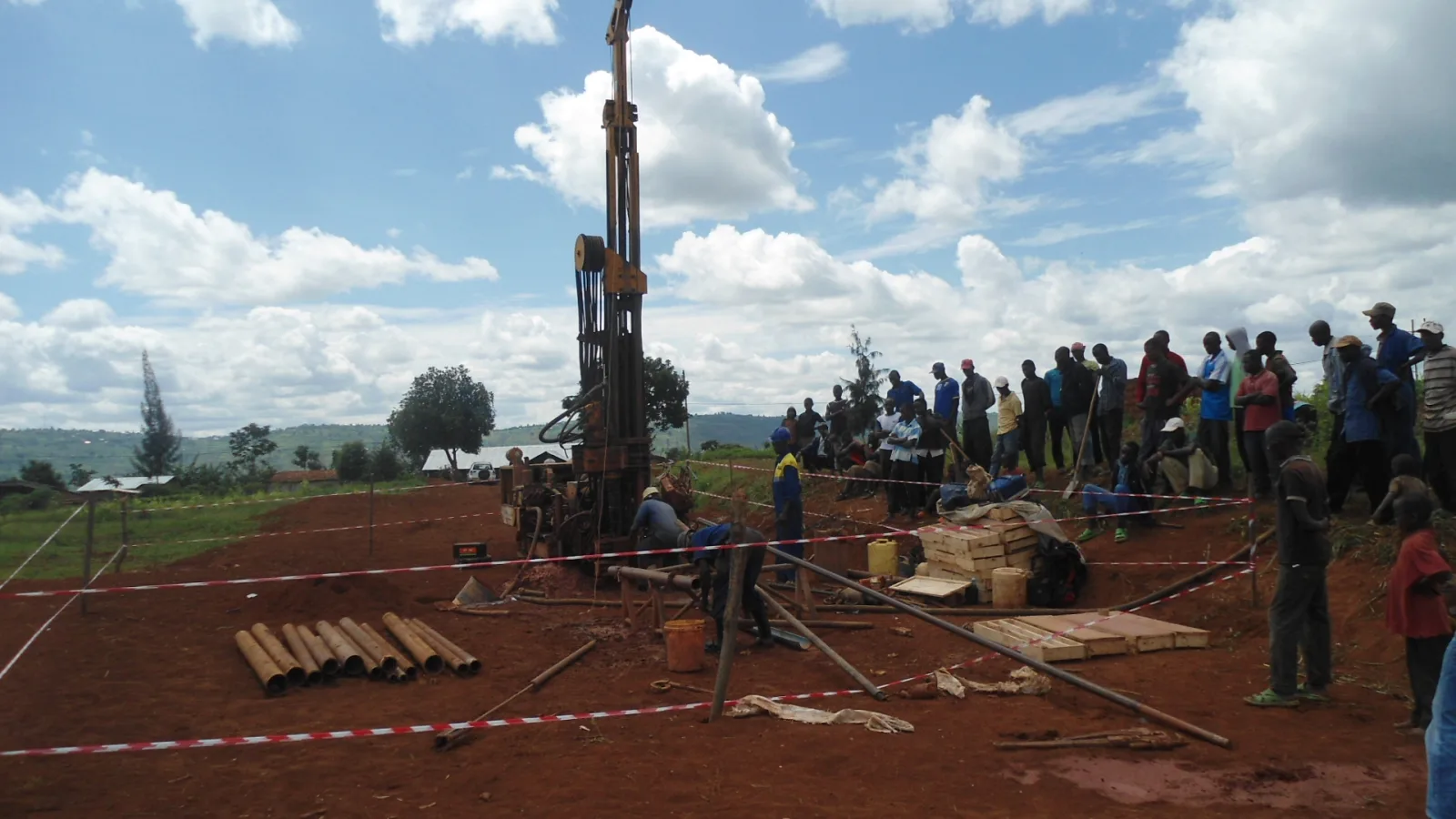
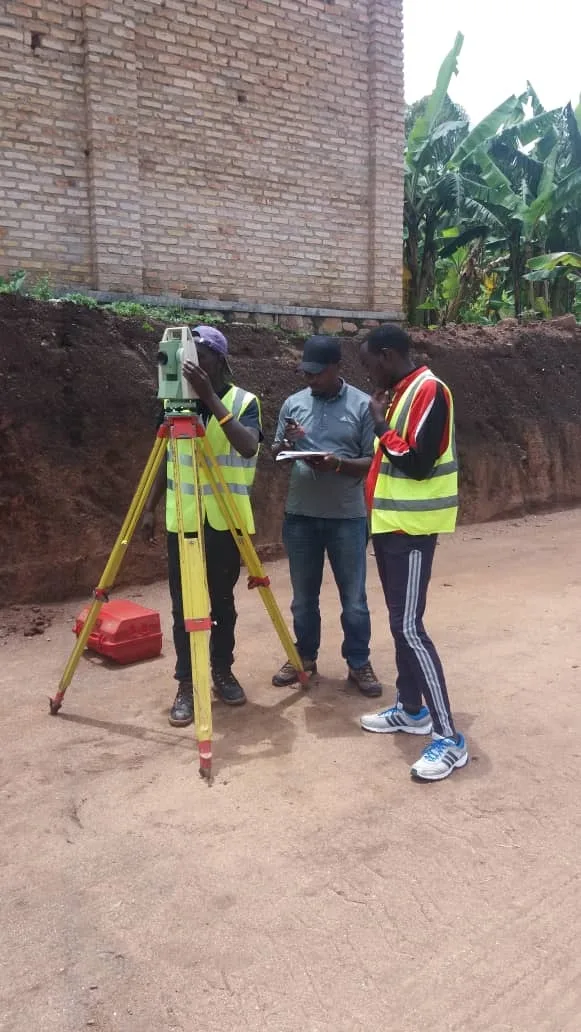
A geotechnical report records what was investigated, where the work took place and which methods were used. Read the scope and site description first so that the findings are understood in the context of the actual project.
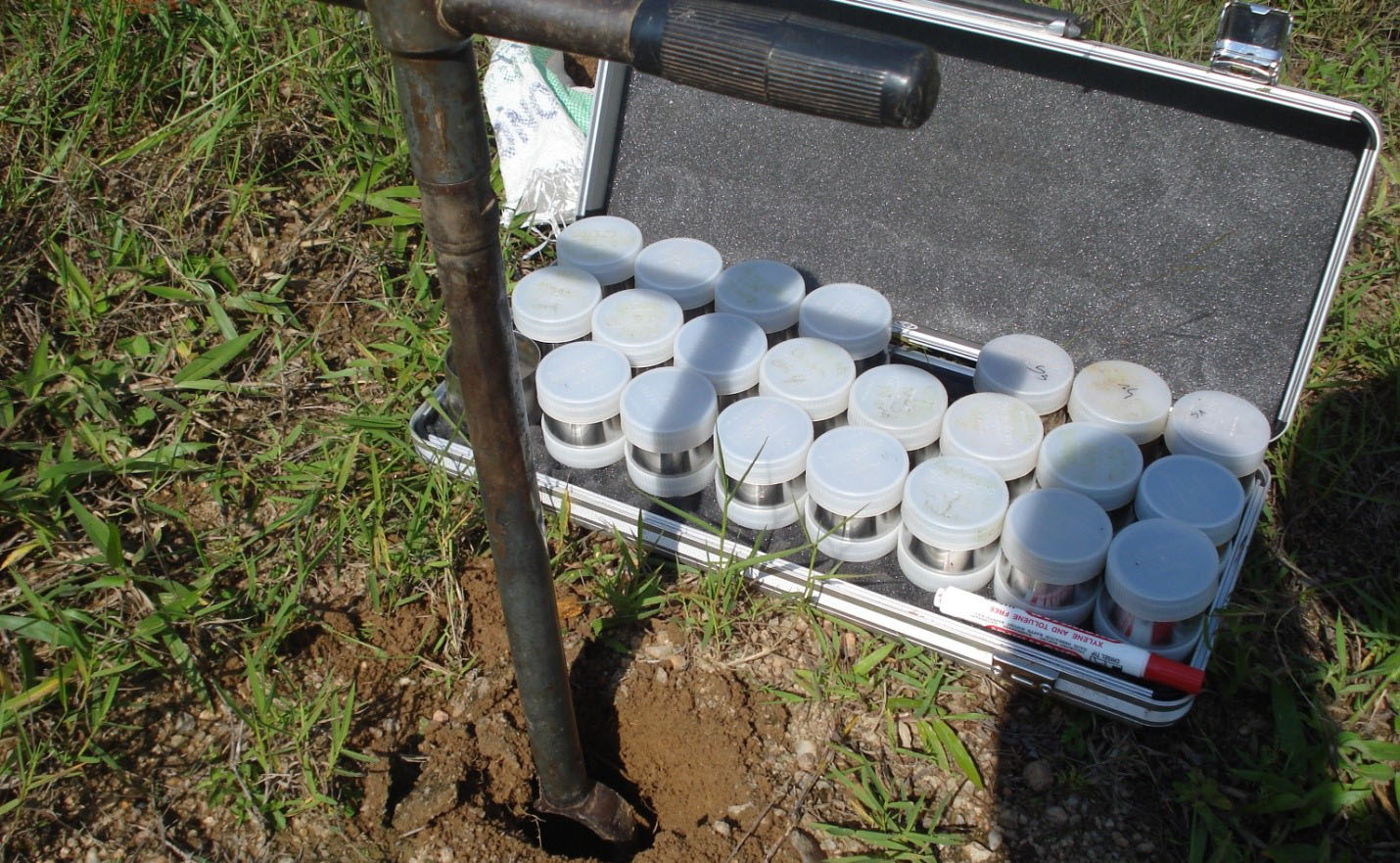
Check the exploration plan and logs alongside the written conclusions. They show where samples and tests came from and help explain how ground conditions may change across a site.
Look for the ground model and recommendations
The ground model brings observations and test results together into an engineering interpretation. Recommendations may address foundation options, allowable parameters, settlement, excavation, earthworks or groundwater management, depending on the brief.
Confirm that the recommendations match the design stage and proposed structure. If the layout, loading or levels change, the assumptions behind the report may need to be reviewed by the responsible engineer.
Keep limitations in view
Investigations sample a site at selected locations and times. The report should explain its scope, assumptions and limitations. Unexpected conditions during construction should be raised promptly so the design team can compare them with the ground model and decide what action is appropriate.
This guide shares general engineering context. Project requirements and design decisions should be assessed by the responsible professionals for each site and brief.